
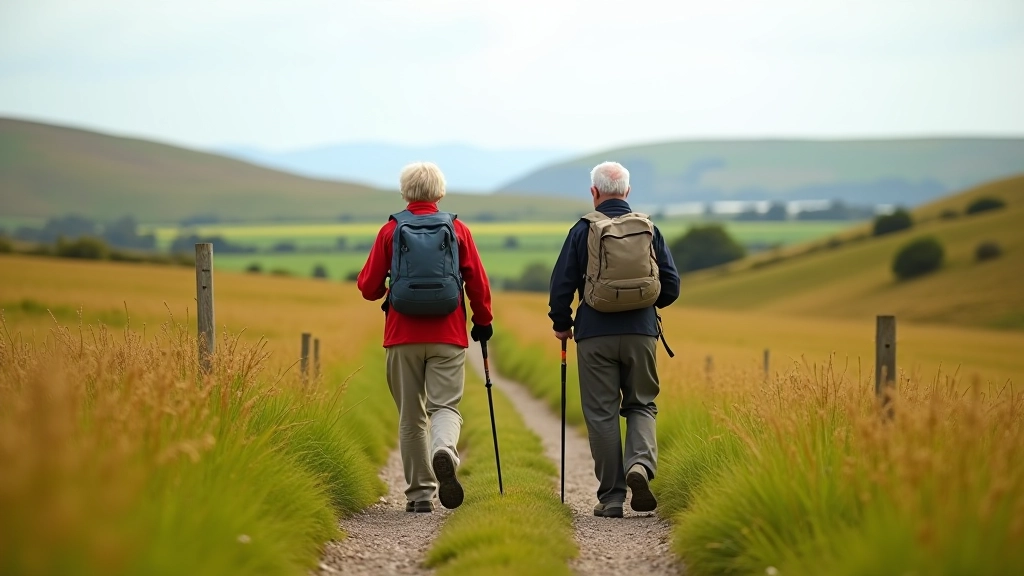
Walking ancient ringforts and souterrain sites in Kerry isn't just about getting from point A to point B. It's about doing it comfortably, safely, and in a way that lets you actually enjoy what you're seeing. The terrain varies wildly — from grassy hillsides to rocky paths to coastal stretches. Weather can shift within minutes. And if you're not wearing the right gear or pacing yourself properly, what should be a great day out becomes exhausting or even risky.
We've spent years helping walkers navigate these sites, and we've noticed certain patterns. The people who have the best experience aren't necessarily the fittest. They're the ones who've thought through their footwear, who understand their own pace, and who respect how quickly Kerry's weather can turn. That's what this guide covers.
Getting Your Footwear Right
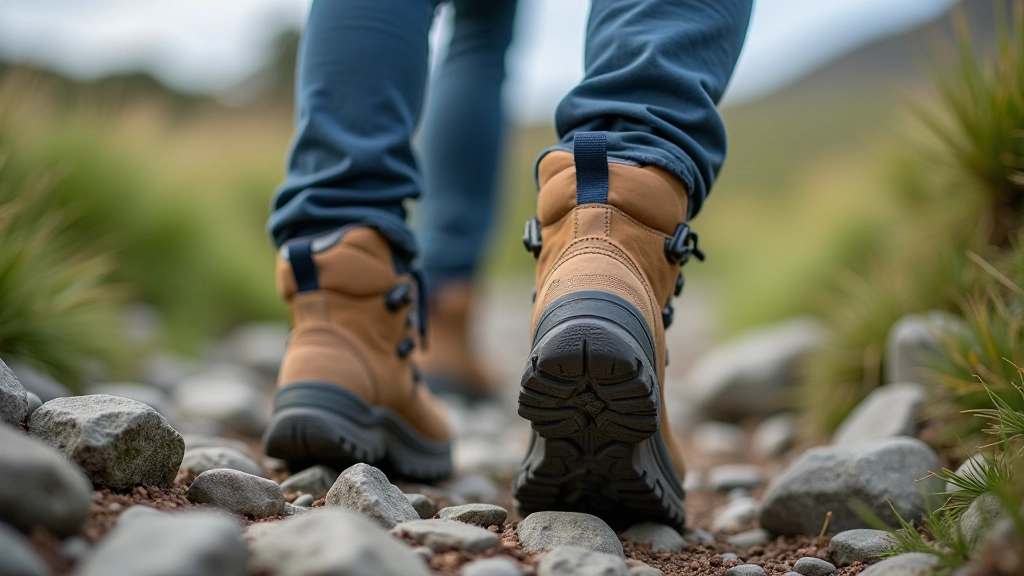
Your shoes matter more than you'd think. We're not talking about expensive hiking boots necessarily. We're talking about shoes that actually grip, protect your ankle, and won't leave you with blisters by the second mile.
The paths at Staigue Fort get steep and rocky. Your regular trainers might feel fine on flat ground, but on uneven terrain they don't give you the support you need. Waterproof hiking shoes or walking boots work best — something with a proper sole that grips wet grass. Leather or synthetic upper keeps your feet dry when you're walking through morning dew or after rain.
Here's the specific bit: look for shoes with at least a 3mm tread pattern and ankle support that comes up to your ankle bone. Test them at home first. Walk around your garden, do some hills if you can. Break them in before the real walk. Most foot problems on walks come from shoes that haven't been properly tested.
Pacing Yourself on Uneven Ground
Pacing isn't about speed. It's about finding a rhythm that lets you keep going without exhausting yourself or risking a fall.
On flat sections, you can probably walk at your normal pace. But the moment terrain gets uneven — rocky patches, grassy slopes, the stone steps up to ringforts — your pace needs to change. Slow down. Your feet need more time to find stable footing. Your body needs time to adjust to the different muscle groups you're using.
The Derrynane Bay shore path is a good example. Parts of it are smooth enough, but other sections have roots, loose stones, and dips. Most people find they need to slow down by about 30% compared to walking on a flat road. That's normal. Don't push through it. Stop for water breaks every 20-30 minutes, especially on hilly sections. Your legs and cardiovascular system will thank you. And honestly? You'll see more. You'll notice the wildflowers, the stone walls, the archaeology.
Use Walking Poles
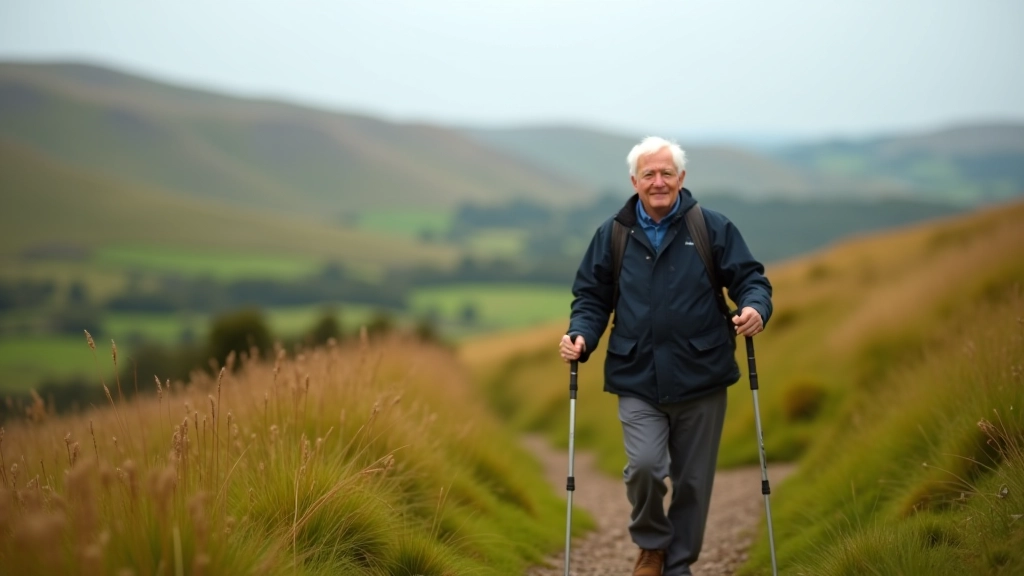
Trekking poles aren't just for mountaineers. They distribute the load on your knees, give you extra stability on slopes, and actually make pacing easier. Set them so your arms make roughly a 90-degree angle. Use them on descents especially — they reduce impact on your joints significantly.
Weather: Expect the Unexpected
Kerry weather is famous for a reason. It changes fast. You can start a walk under blue skies and end up in rain within 45 minutes. That's not exaggeration — it happens regularly, especially on elevated routes.
Waterproof gear isn't optional, it's essential. A lightweight rain jacket that packs down small takes up almost no space in your rucksack. Trousers with water resistance are better than jeans — denim stays wet and heavy. Layers work better than one thick jumper. Start with a base layer (merino wool if you can, it stays warm even when damp), add a mid-layer fleece, then your waterproof outer layer. You can peel layers off if you get warm, add them back if it gets cold.
Check the forecast before you go, yes. But don't use a single cloud as an excuse not to walk. Use it to pack properly. A waterproof hat keeps rain off your face and helps you maintain body temperature. Gloves matter too — wet hands lose heat fast. Small things like this make the difference between a miserable walk and just a damp one.

Practical Preparation That Actually Matters
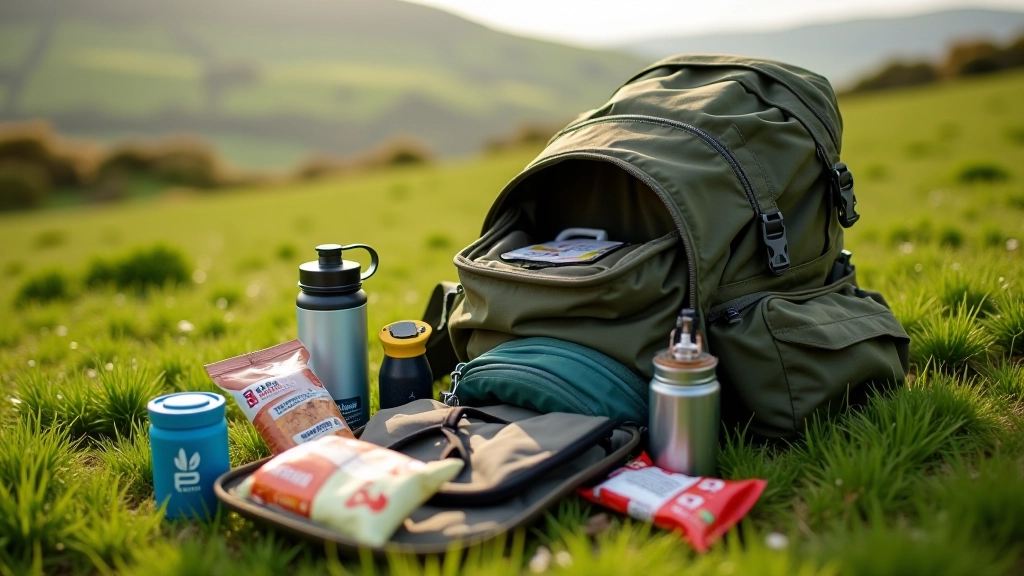
Before you head out, pack water — more than you think you'll need. Two litres minimum for a 2-3 hour walk. Energy comes next. Trail mix, energy bars, a banana. Something that gives you carbs and protein. Not chocolate bars that melt in your pocket.
Sunscreen. Even on cloudy days. The sun reflects off stone and water. You'll burn without realizing it. A small first aid kit — plasters for blisters, antiseptic wipes, pain relief. A mobile phone fully charged, even if reception is patchy. A map of the route and a basic understanding of where you're going. Don't rely entirely on GPS.
Tell someone where you're going and when you expect to be back. Not because the routes are dangerous, but because it's sensible practice. Start your walk early enough that you're back before dark. Most of the ringfort sites are accessible year-round, but winter daylight ends by 4pm. Plan accordingly.
The Bottom Line
Safe walking comes down to three things: shoes that grip and support, a pace that lets you keep going without injury, and weather-appropriate gear. None of this is complicated. None of it requires expensive equipment. It's just thinking ahead and respecting what these ancient sites demand of your body.
The walks themselves are worth it. Staigue Fort sits at 500 metres elevation with views across the peninsula. Derrynane Bay has coastline that's genuinely stunning. The souterrain sites tell stories that go back over a thousand years. Getting there safely and comfortably means you can actually pay attention to what you're seeing instead of just worrying about your feet or whether you're going to get soaked.
Take your time. Wear proper shoes. Dress for the weather you might get, not the weather you hope for. Stop when you need to. And enjoy walking these remarkable places.
Important Notice
This guide is educational and informational only. Individual fitness levels, health conditions, and mobility vary significantly. Before undertaking any field walk, especially in terrain you're unfamiliar with, consider your own physical capabilities and any medical conditions. If you have mobility concerns or health conditions affecting balance or cardiovascular fitness, consult your GP or a healthcare professional before starting. Weather conditions in Kerry can change rapidly — always check forecasts before heading out and be prepared to turn back if conditions deteriorate. These routes are generally accessible but do involve uneven terrain and variable weather. Walk at your own pace and take responsibility for your own safety.