
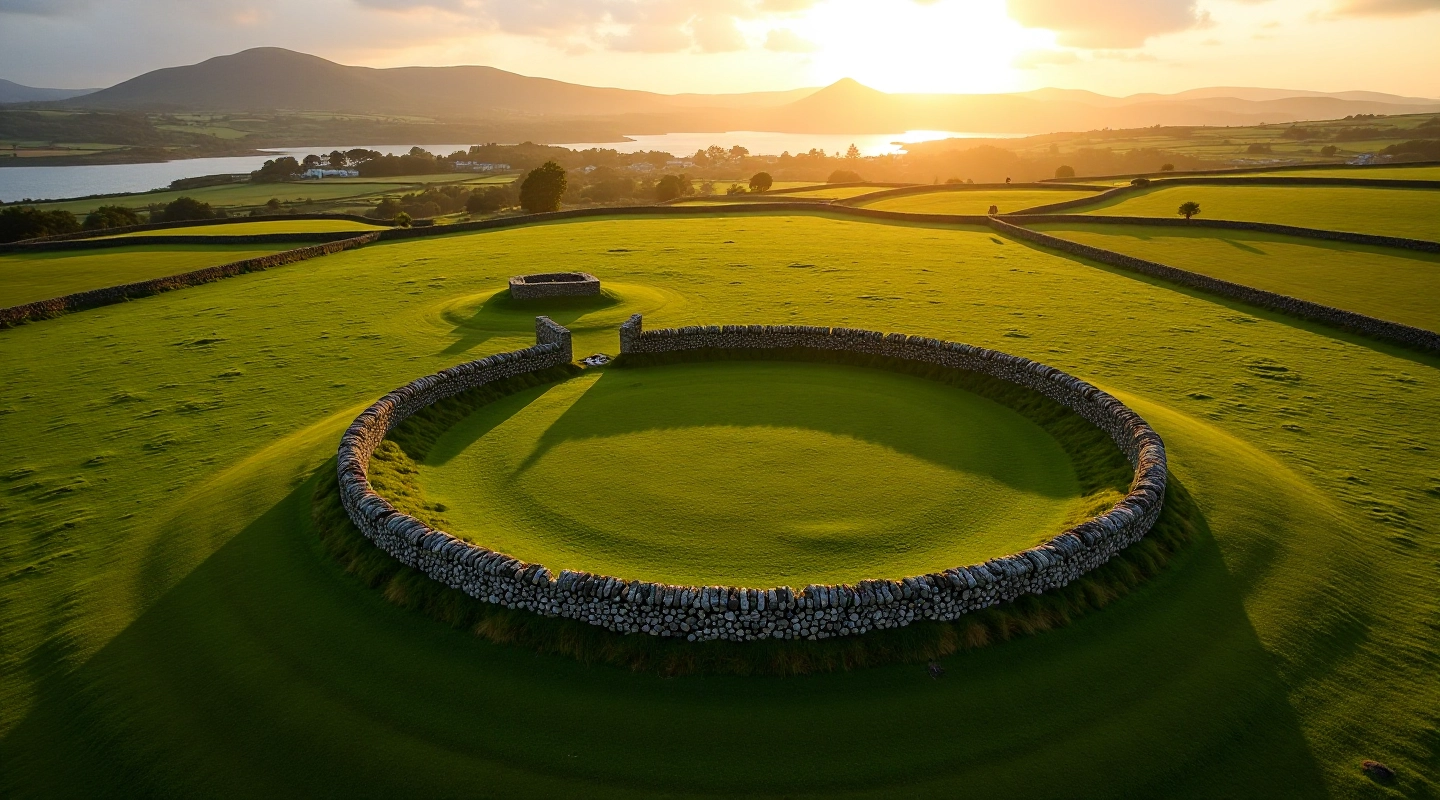
Staigue Fort sits on a hillside in County Kerry, Ireland, commanding views across the Kenmare Valley. It's one of the best-preserved ringforts in the country — a stone-built circular fort from the Iron Age. Walking here isn't just about reaching an ancient structure. It's about understanding how people lived over 2,000 years ago, reading the landscape, and appreciating the craftsmanship of those dry-stone walls.
We've walked this route with people of all fitness levels. What we've learned is that there's no single way to experience Staigue. Some visitors come for the archaeology. Others come for the views. Many come because they need a half-day walk that doesn't leave them exhausted. Here's what you'll actually see, step by step.
The Approach: Uphill but Manageable
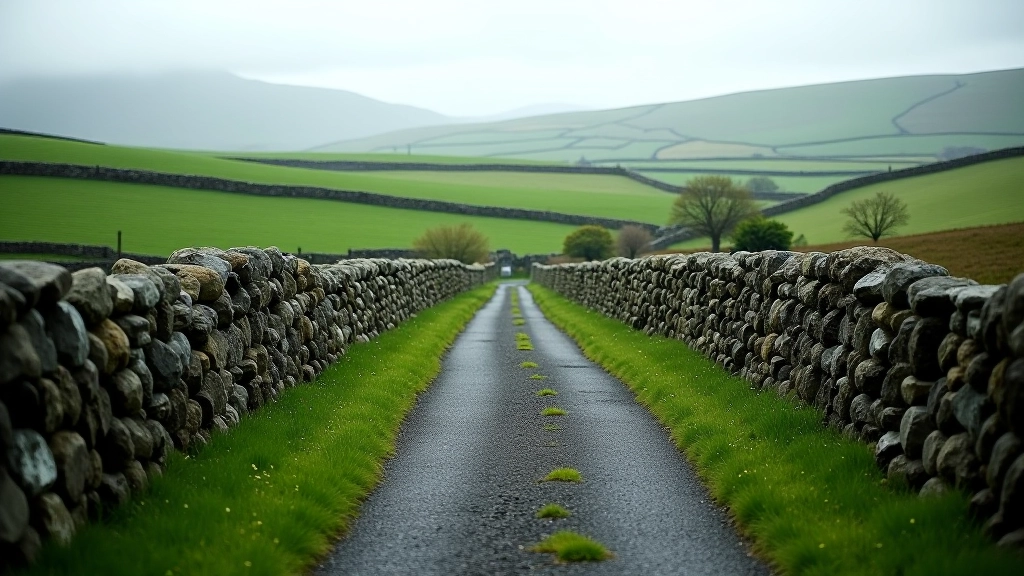
The walk starts at the car park near Castlecove village. You'll follow a narrow lane uphill for about 800 meters — that's roughly 10 minutes at a steady pace. The path is well-maintained, mostly gravel with sections of tarmac. It's not steep enough to be brutal, but it's definitely uphill. Your legs will know they're working.
As you climb, you'll notice the landscape opening up. Stone walls line the path. Hawthorn hedges border the fields. On a clear day, you're already getting views toward the Beara Peninsula. This section takes 10-15 minutes depending on your pace.
Quick tip: Wear proper walking shoes with grip. The surface can be muddy after rain, and you'll want ankle support on the uneven sections near the fort entrance.
The Fort Itself: What You're Actually Looking At
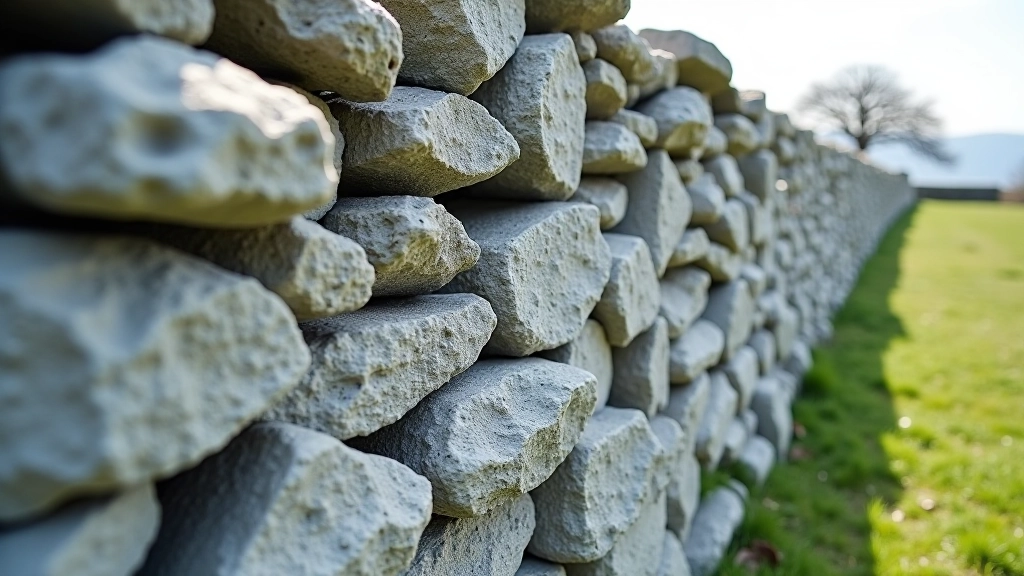
When you reach the top, you'll see a circular stone structure about 27 meters in diameter. This is Staigue Fort — built somewhere between 600 and 200 BC. The walls are constructed entirely without mortar. Individual stones are fitted together so precisely that the structure has survived over 2,000 years of Irish weather.
The walls still stand 6 meters high in places. You can walk right up to them and touch the stones. There's an entrance on the south side — a narrow gap you can step through. Inside, the fort is empty now, but archaeologists believe it would've housed maybe 10-15 people. It's not a castle or fortress in the medieval sense. It's more like a fortified homestead — a place where a family or small community lived, kept livestock, and defended themselves from raiders.
- Dry-stone construction with no mortar
- 27-meter diameter circular design
- Walls still standing 6 meters high
- South-facing entrance still accessible
The Views: Why People Remember This Walk
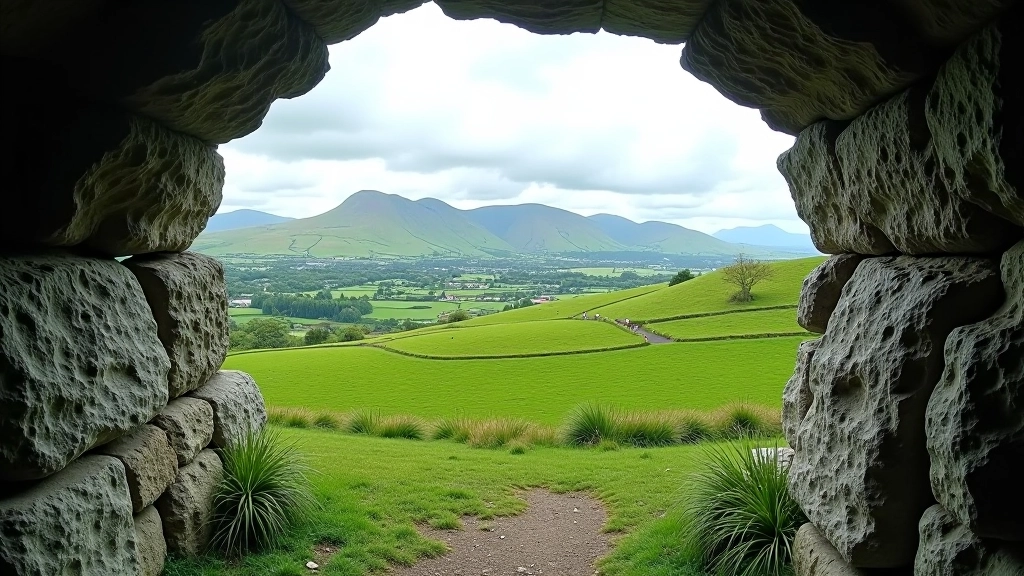
From the top, on a clear day, you're looking at one of Ireland's best vistas. The Kenmare Valley spreads below you. You can see the mountains of the Beara Peninsula to the west. On the clearest days, people spot the Skelligs out toward the Atlantic. Even when it's misty or overcast, there's something special about standing inside a 2,000-year-old structure and looking out across the same landscape people looked out at centuries ago.
Most people spend 20-30 minutes at the fort. Some sit and eat lunch. Others walk the perimeter, studying the stonework. The best part? There's rarely a crowd. Unlike some heritage sites, Staigue stays quiet and contemplative.

Fitness Levels: Choosing Your Route
Here's what we hear most: "Can I do this walk?" The answer is almost always yes — but how you do it depends on your fitness level.
Moderate pace (40-50 minutes total): You're comfortable with steady uphill walks. The 800-meter approach takes 10-15 minutes. You spend 20-30 minutes at the fort. This is the most common route.
Slower pace (60-75 minutes total): You prefer walking at your own rhythm without pressure. Take 20-25 minutes for the approach, spend 30-40 minutes at the fort. Bring a walking stick. Rest when you need to. Nobody's timing you.
The reality: The uphill section is the hardest part. Once you're at the top, there's nowhere else to go. You can rest as long as you want. Then the walk back down is easier on the body than the climb up.
Practical Details That Matter
Weather & Seasons
Autumn and spring are ideal — cooler temperatures, fewer midges. Summer can be hot on the exposed path. Winter is possible but muddy and slippery. Rain doesn't stop the walk, but wind can make the hilltop uncomfortable.
What to Bring
Water bottle, snacks, walking shoes with ankle support. A walking stick or pole helps on the way down. Sun protection if it's clear. A light layer — it's cooler on the hill than in the valley below.
Getting There
There's a car park at Castlecove village. Parking is free. The village has a small shop and café. GPS coordinates: 51.9367° N, 9.8903° W if you're using navigation.
Time & Crowds
Go early morning or late afternoon to avoid the midday rush. Weekdays are quieter than weekends. Allow 90 minutes total including the fort itself. The fort doesn't close — it's open year-round, 24/7.
Staigue Fort isn't a difficult walk. It's not a long walk. What it is — and what makes it special — is a genuine connection to something ancient. You're walking uphill in modern Ireland, but you're walking toward a structure that's older than the Roman Empire. That perspective changes things. Your legs get a workout. Your mind gets quieter. You see views that remind you why people settled in Kerry in the first place.
The fort itself does most of the talking. Just walk up, step inside, and let it speak for itself.
Walking Safety Disclaimer
This guide is informational only and based on typical conditions at Staigue Fort. Weather, ground conditions, and individual fitness levels vary. Always assess your own capabilities before walking. Wear appropriate footwear with good grip. Bring water and sun protection. If you have health concerns or mobility limitations, consult your doctor before attempting this walk. The fort has no barriers — take care near the walls and entrance. This information is current as of July 2026 but site conditions may change. Check local weather forecasts before your visit.